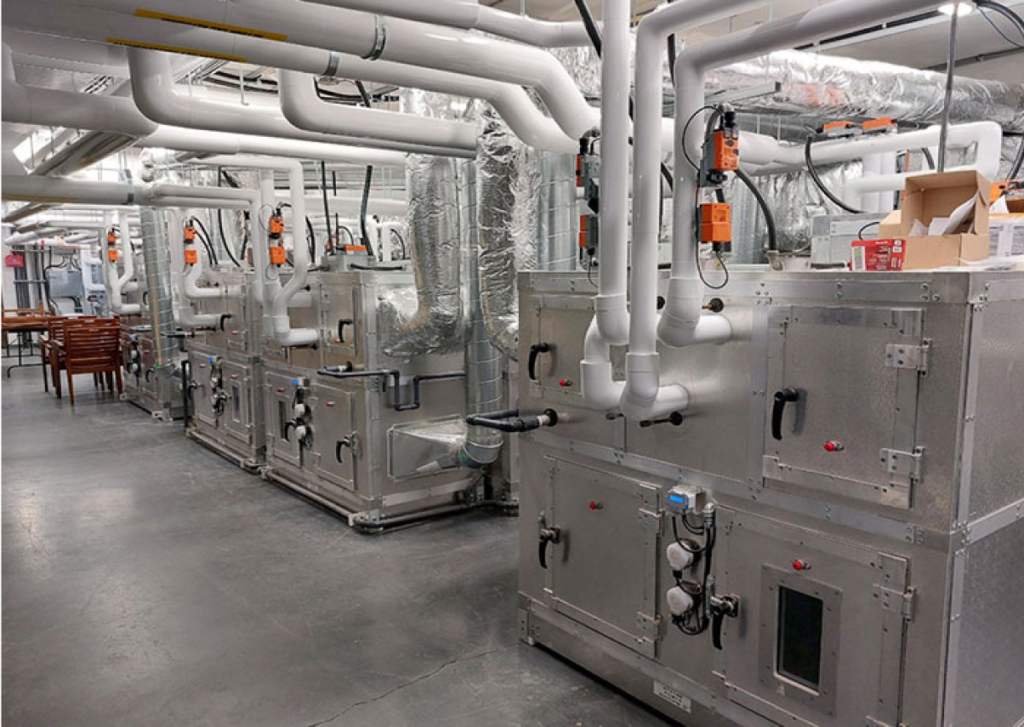
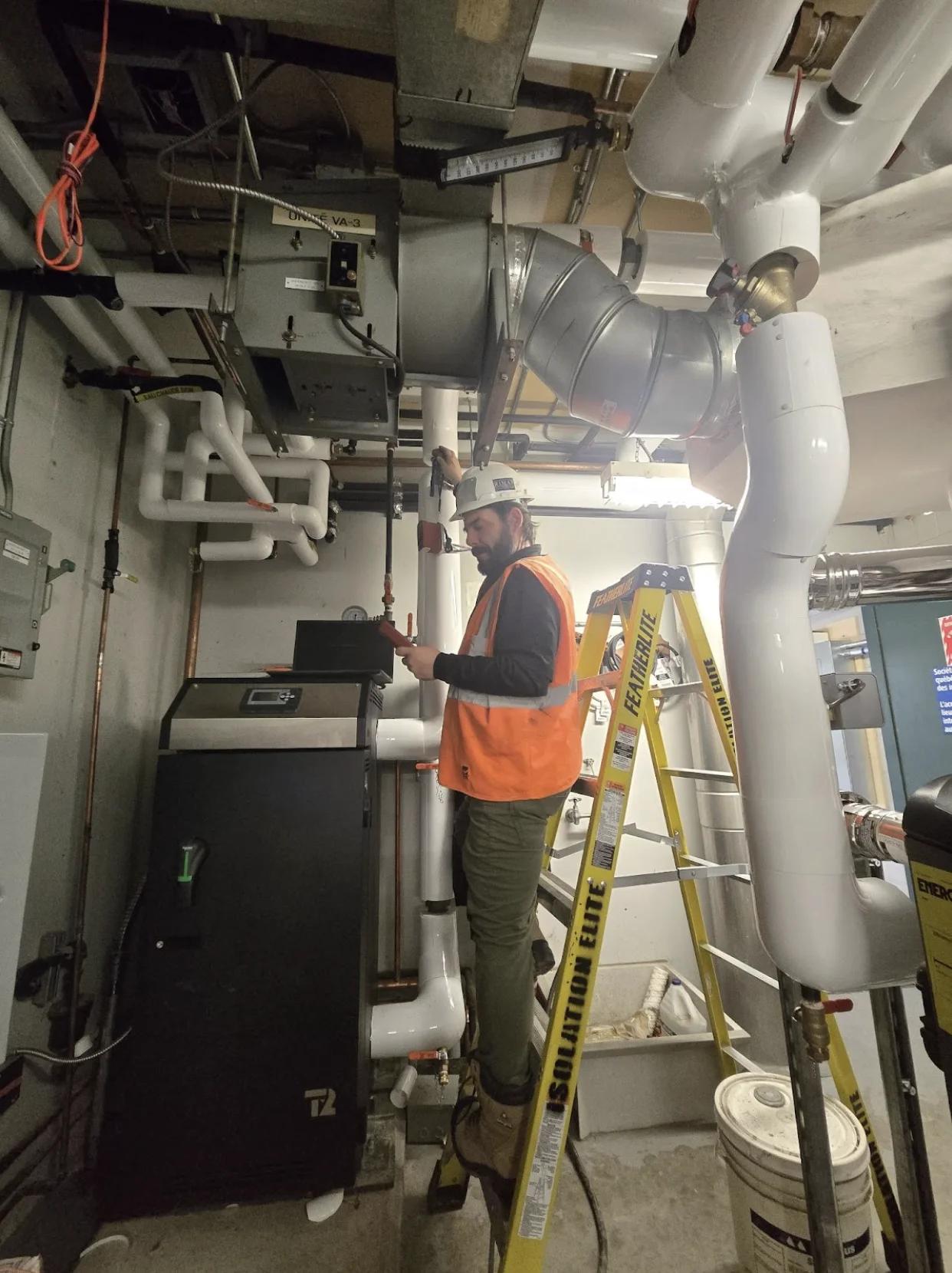
We see this shift up close. At SMP LeBlanc, we are regularly brought in after new systems are installed to verify performance, balance airflows, test duct integrity, and ensure hydronic circuits operate exactly as they should. We work hand-in-hand with mechanical contractors across the province, and we can confidently say that Hydro-Québec’s programs are helping more buildings make the move to efficient, electrified systems that support long-term performance and comfort.
In this blog, we break down how the program works, why it matters for commercial buildings, and what we are observing in HVAC retrofits across Québec.

What Hydro-Québec’s Efficient Solutions Program Actually Is
The Efficient Solutions Program is designed to help commercial, institutional, industrial, and agricultural buildings reduce electricity consumption by supporting the installation of efficient equipment and system optimization measures. Hydro-Québec currently lists over 200 predefined measures, and HVAC improvements make up a major portion of these opportunities.
The program provides up to 90% coverage for buildings on Rate G and Flex G, which typically include commercial operations. Other business rates, including G9, M, L, and LG, are eligible for up to 75% coverage. These numbers significantly impact the feasibility of HVAC upgrades, particularly for owners managing older systems that are no longer operating efficiently.
How It Works: A Two-Phase Process That Helps Owners Make Smart Decisions
The program separates planning from implementation, which helps owners avoid guessing what their building’s needs are.
Phase One: Energy Analysis
Hydro-Québec covers up to $50,000 of the cost for a detailed energy analysis of your building’s systems. The structure is designed to encourage both planning and action:
- 40% of eligible costs are paid once the analysis is completed and submitted.
- 60% of eligible costs are paid after you implement at least one recommended measure.
This arrangement removes one of the biggest barriers to getting started. The analysis helps you understand exactly how your building uses energy, where the major inefficiencies are, and which upgrades will deliver the strongest return. For HVAC systems, the analysis identifies whether the building needs a full replacement, targeted upgrades, or optimization of existing infrastructure.
Phase Two: Equipment Installation and Optimization
Once you know what needs to be done, the second phase supports the actual implementation. You submit your project through Hydro-Québec’s OSE tool, receive approval, proceed with installation or upgrades, and then apply for your financial support.
Eligible HVAC measures include:
- High-efficiency heat pumps
- Aerothermal systems
- Ventilation optimization
- Energy-efficient equipment replacement
- System-level improvements that reduce electricity use
After installation, Hydro-Québec reviews your documentation and issues the applicable support payment. This process allows owners to modernize their systems with significantly reduced capital burden.
What We’re Seeing in HVAC Retrofits Across Québec
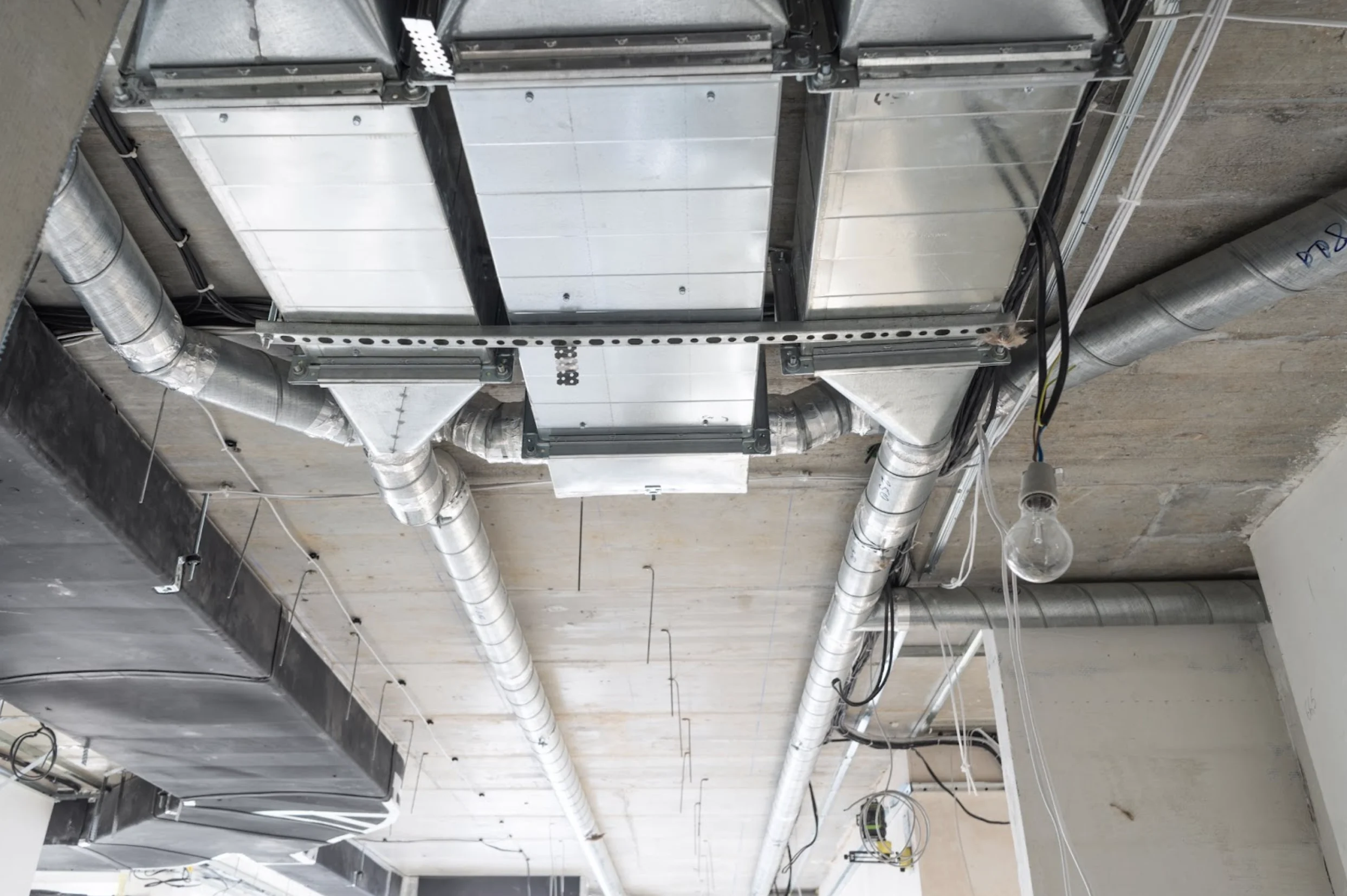
Many commercial HVAC systems that are 15 years or older share the same issues. Owners report uneven heating and cooling across zones, higher-than-expected electricity consumption, and inconsistent comfort during peak demand periods. These issues usually show up in the form of hot-cold complaints, rising utility bills, or mechanical equipment working harder than expected.
When buildings adopt newer high-efficiency systems, performance depends heavily on the precision of the work completed after installation. A heat pump cannot reach its rated efficiency if the duct system is leaking or unbalanced. A hydronic system cannot deliver stable comfort if water flow is uneven. These details have a real impact.
HVAC contractors such as Ventilabec and Climatisation Bativac regularly call us to complete the precision work that determines how well an upgrade will perform.
Air Balancing
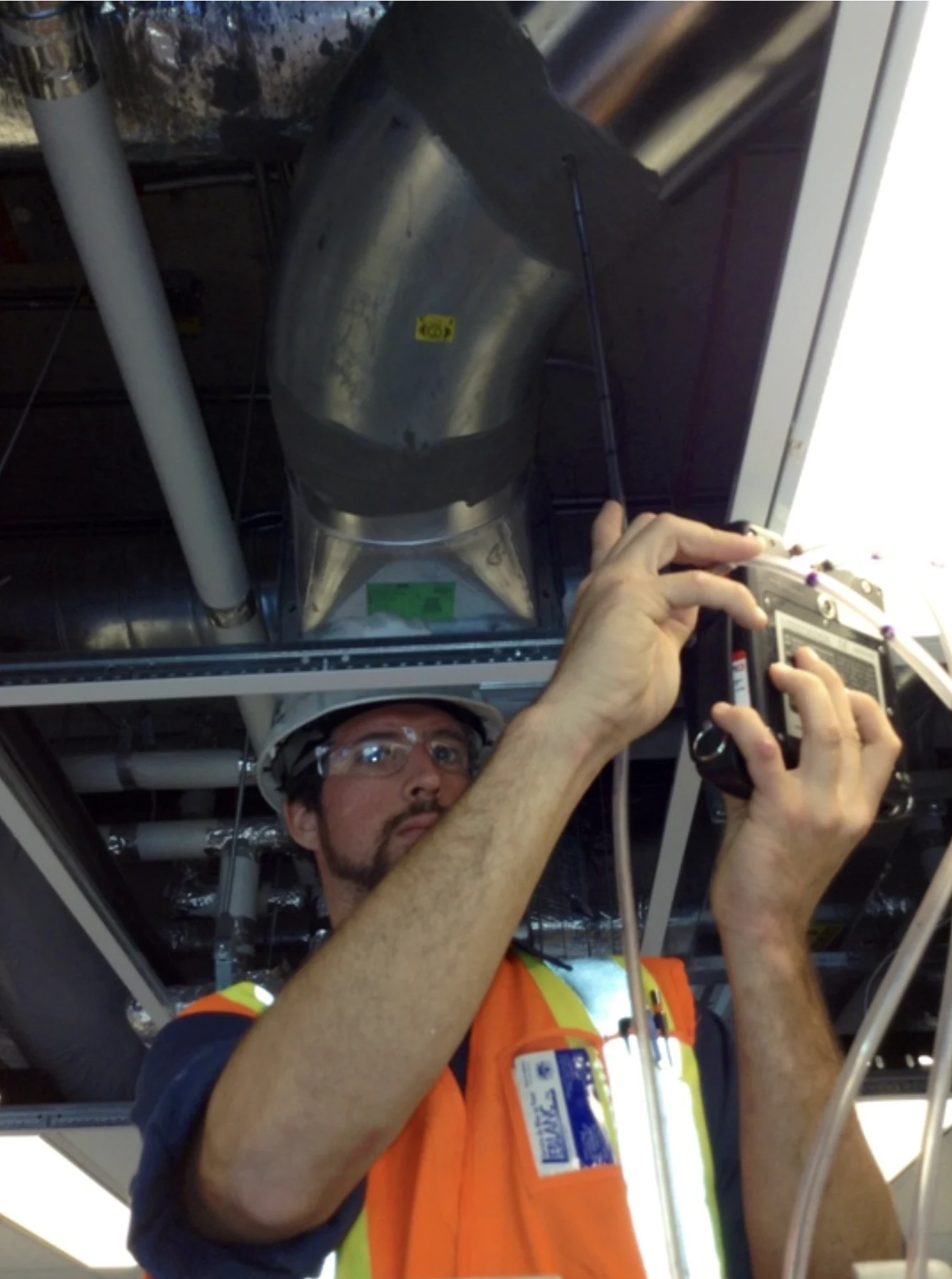
We verify that each zone receives the exact airflow it was designed for. Balanced airflow supports comfort, efficiency, and stable building operation.
Duct Testing
We test duct systems to identify leakage and pressure variations that can undermine performance. Even small losses add up when paired with high-efficiency equipment.
Water Balancing
Hydronic systems rely on accurate flow. Water balancing ensures heating or cooling energy is evenly distributed throughout the building, preventing temperature swings and unnecessary equipment strain.
These steps are not optional because they directly determine whether a retrofit lives up to its expected performance and energy savings.
Understanding Your Rate Structure
Your Hydro-Québec rate class determines the level of financial support you qualify for. It appears in the Details of Costs section on your electricity bill. Here is the simplified breakdown:
- Rate G or Flex G: Up to 90% support
- Rates G9, M, L, LG: Up to 75% support
This single detail can dramatically alter your project’s financial picture.
Why the Energy Analysis Should Come First
Commercial building owners sometimes want to jump straight into equipment replacement. Hydro-Québec’s structure encourages a more informed approach. Their analysis framework is far from being just a formality, as it’s the foundation for every decision that follows.
A detailed analysis will:
- Identify where the building is losing energy
- Quantify the potential savings of each measure
- Show which upgrades offer the strongest return
- Provide a roadmap that prevents over- or under-investing
Hydro-Québec covers the cost of that analysis because informed decisions lead to better outcomes for everyone, including the grid.
A Practical Next Step for Building Owners
If you manage a commercial or institutional building in Québec, here is a simple, practical sequence:
- Check your rate class on your Hydro-Québec bill to understand your support eligibility.
- Contact Hydro-Québec’s support line at 1-800-463-9900 or 1-877-956-5696 to confirm your building’s eligibility.
- Work with a contractor or consulting firm that understands the Efficient Solutions Program to begin the energy analysis.
- Review the results and decide which measures to implement based on data, not guesswork.
This process gives you a clear picture of your building’s needs, potential costs, and available financial support.
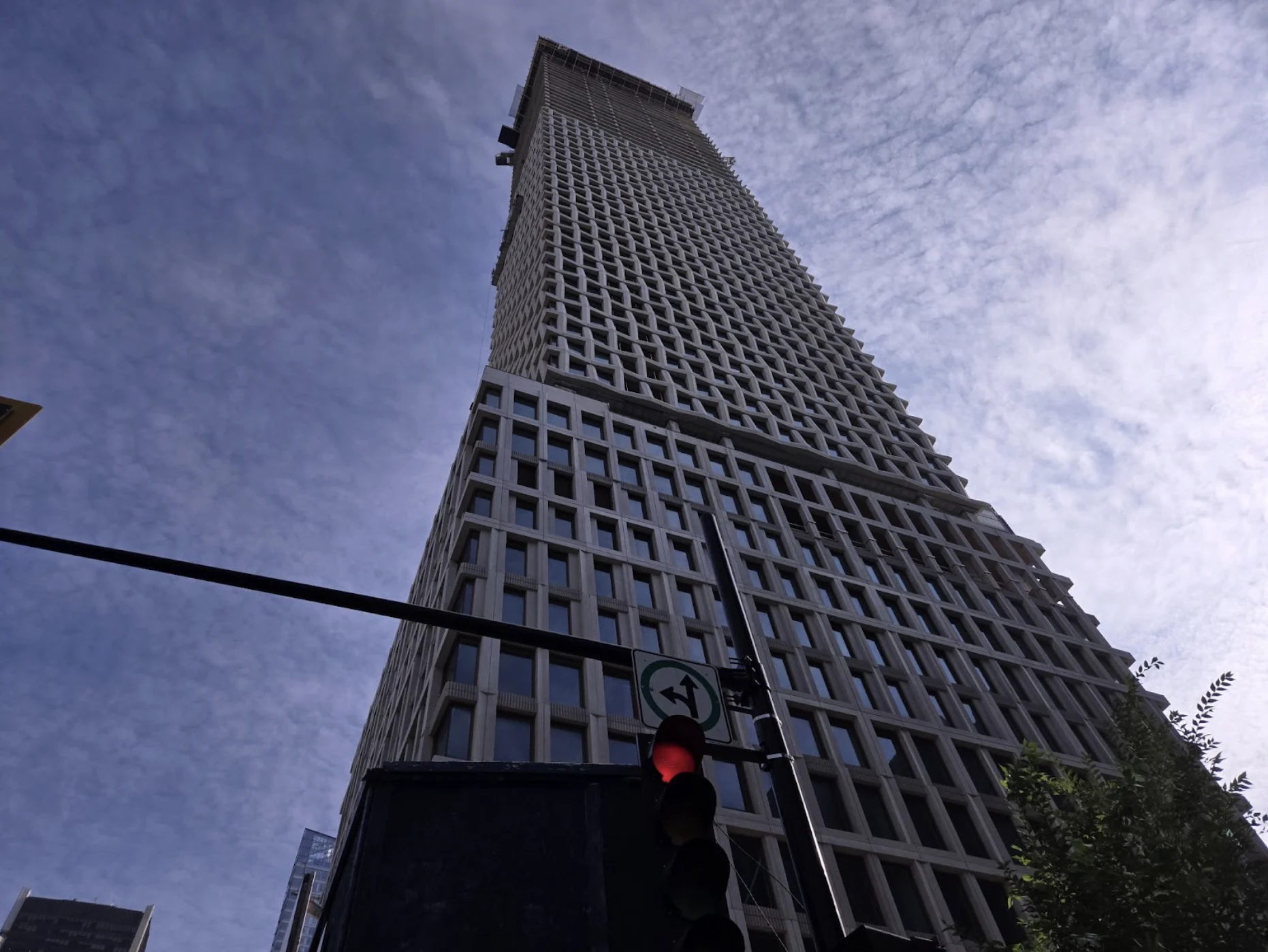
Our Commitment to Québec’s Energy Future
Our work at SMP LeBlanc is about more than system performance. Our team is committed to supporting Québec’s transition to cleaner, more energy-efficient buildings. We take pride in helping mechanical systems operate at their best, and we are equally committed to strengthening the industry beyond our project work.
Our commitment to sustainability goes beyond the work we do inside buildings. We are an active supporter of EnviroCompétences, contributing to workforce upskilling and environmental advancement across Québec. Supporting organizations that elevate the province’s environmental leadership aligns with our values and our long-term vision for the HVAC industry.
If you are considering HVAC upgrades, exploring Hydro-Québec’s programs is a strong first step. And if you want clarity on how a potential retrofit could perform in your building, our team is always ready to share the insights we see every day across Québec. Feel free to contact us today.