The story is almost always the same. Sometimes it’s a building owner calling directly, sometimes it’s a mechanical contractor who needs us to troubleshoot their client’s system. The frantic voice on the other end always asks the same question: “Can you fix this today?” Sometimes we can, sometimes we can’t.
What always strikes us, though, is how often these emergencies could have been avoided. In fact, most of the breakdowns we see show clear warning signs long before the system shuts down.
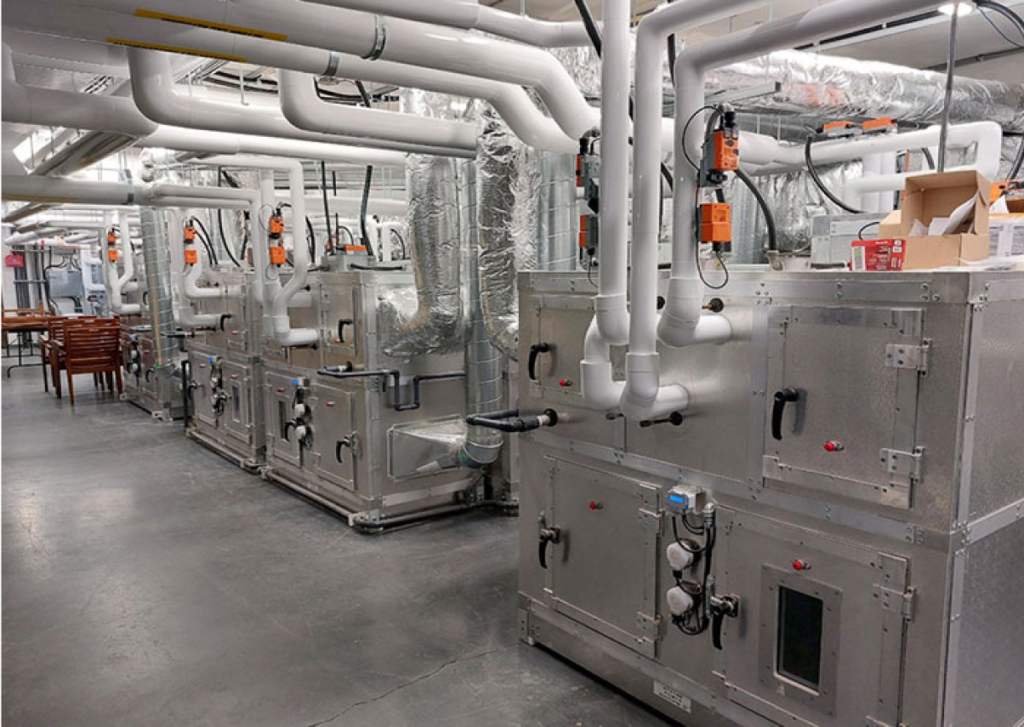
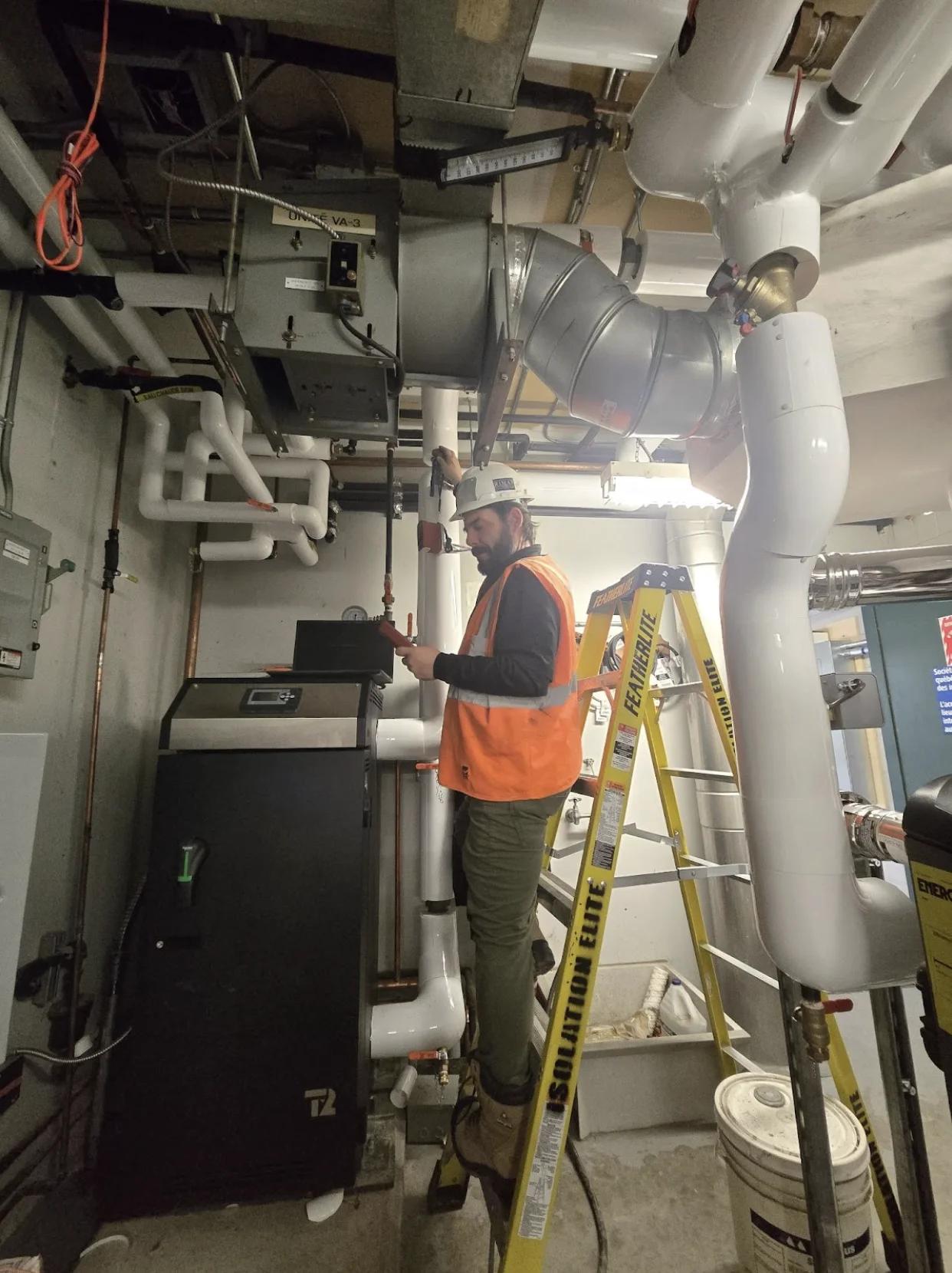
After spending 40+ years crawling through mechanical rooms from the historic Théâtre du Nouveau Monde to modern towers like Le 900 Saint-Jacques, we’ve learned something important. HVAC systems don’t just randomly fail on hot days. They send warning signals for weeks, sometimes months, before they completely shut down.
The lessons we’ve learned in these places apply directly to any commercial building preparing for summer. Here’s what you should know.
Why Summer HVAC Failures Hit Commercial Buildings So Hard
Summer is the true test for commercial HVAC systems. Cooling demand runs high for weeks on end. If airflow is uneven or water circuits are not properly balanced, equipment gets pushed past its limits. That is when fans burn out, coils freeze, or tenants start flooding your inbox with complaints.
In large buildings, the impact is immediate. An uncomfortable boardroom can disrupt business meetings. A warm lobby can frustrate tenants and visitors. For healthcare or senior living facilities, the consequences can be even more serious. It is not just about comfort; it is about continuity of operations.
The Hidden Warning Signs Your System Is About to Fail
Most breakdowns are not surprises. They build up slowly:
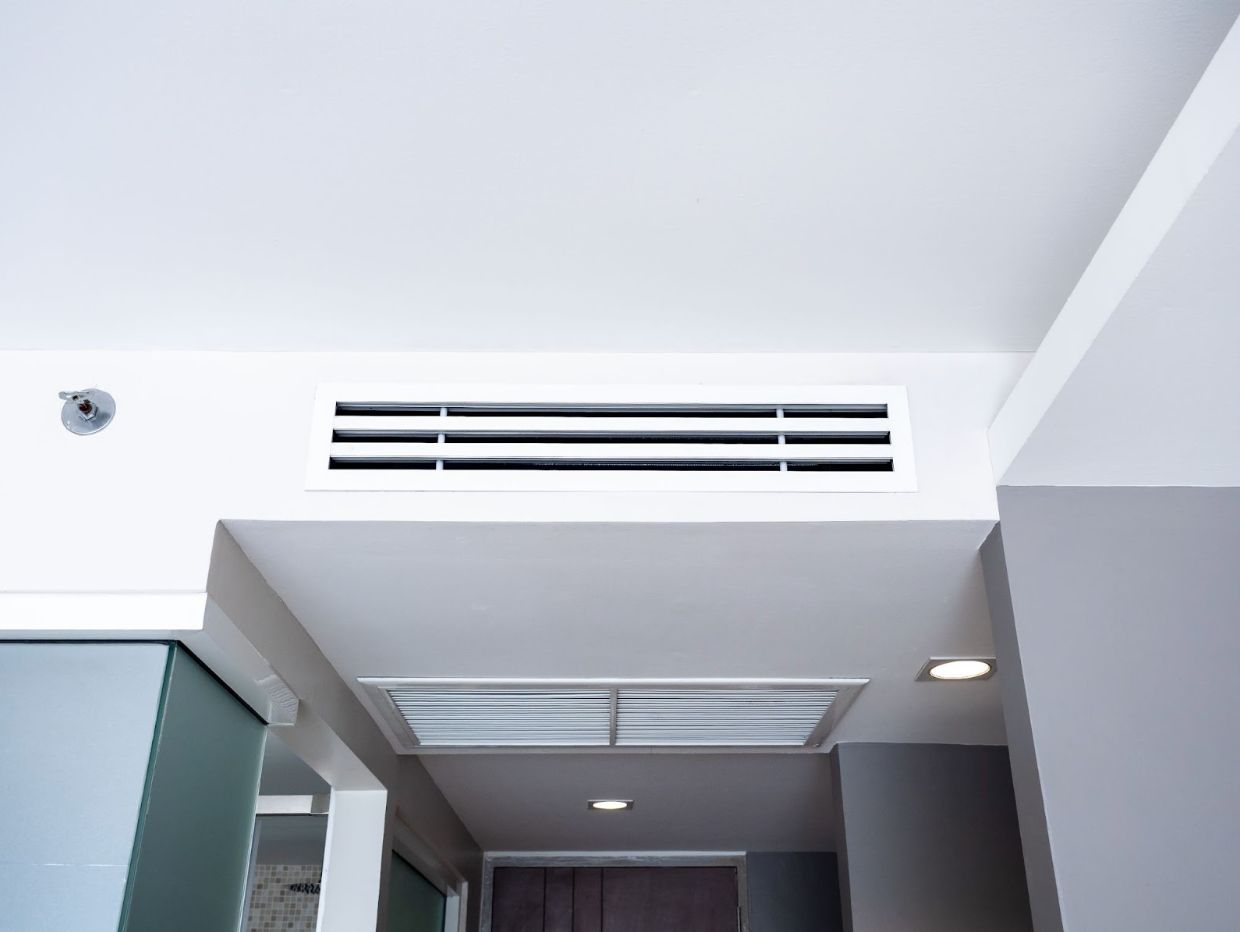
Uneven Temperature Distribution: When some areas of your building are consistently warmer than others, that’s not just a comfort issue; it’s a red flag. Your system is working harder to compensate for poor air distribution, and that extra strain adds up fast.
Rising Energy Bills Without Obvious Cause: We’ve seen buildings where energy costs jumped 20% over a few months, and everyone assumed it was just rate increases. Usually, it’s the HVAC system losing efficiency due to duct leaks, imbalanced airflow, or components starting to fail.
Frequent Thermostat Adjustments: If your tenants are constantly fiddling with thermostats, your system isn’t maintaining consistent conditions. That inconsistency forces equipment to work harder and cycle more frequently than designed.
Unusual Sounds from Equipment: Motors that are starting to strain make different sounds. Fans with worn bearings vibrate differently. These aren’t just annoyances; they’re early warning systems.
These are signs of imbalances, leaks, or underperforming systems. During our work at the Théâtre du Nouveau Monde, we performed comprehensive air balancing and duct testing on the newly constructed sections to ensure the historic venue’s HVAC systems would perform reliably during peak demand.
Smart Preventive Maintenance That Actually Prevents Problems
The standard maintenance checklist your current contractor gives you probably covers the basics: change filters, clean coils, check refrigerant levels. That’s fine, but it’s not enough to prevent summer HVAC breakdowns.
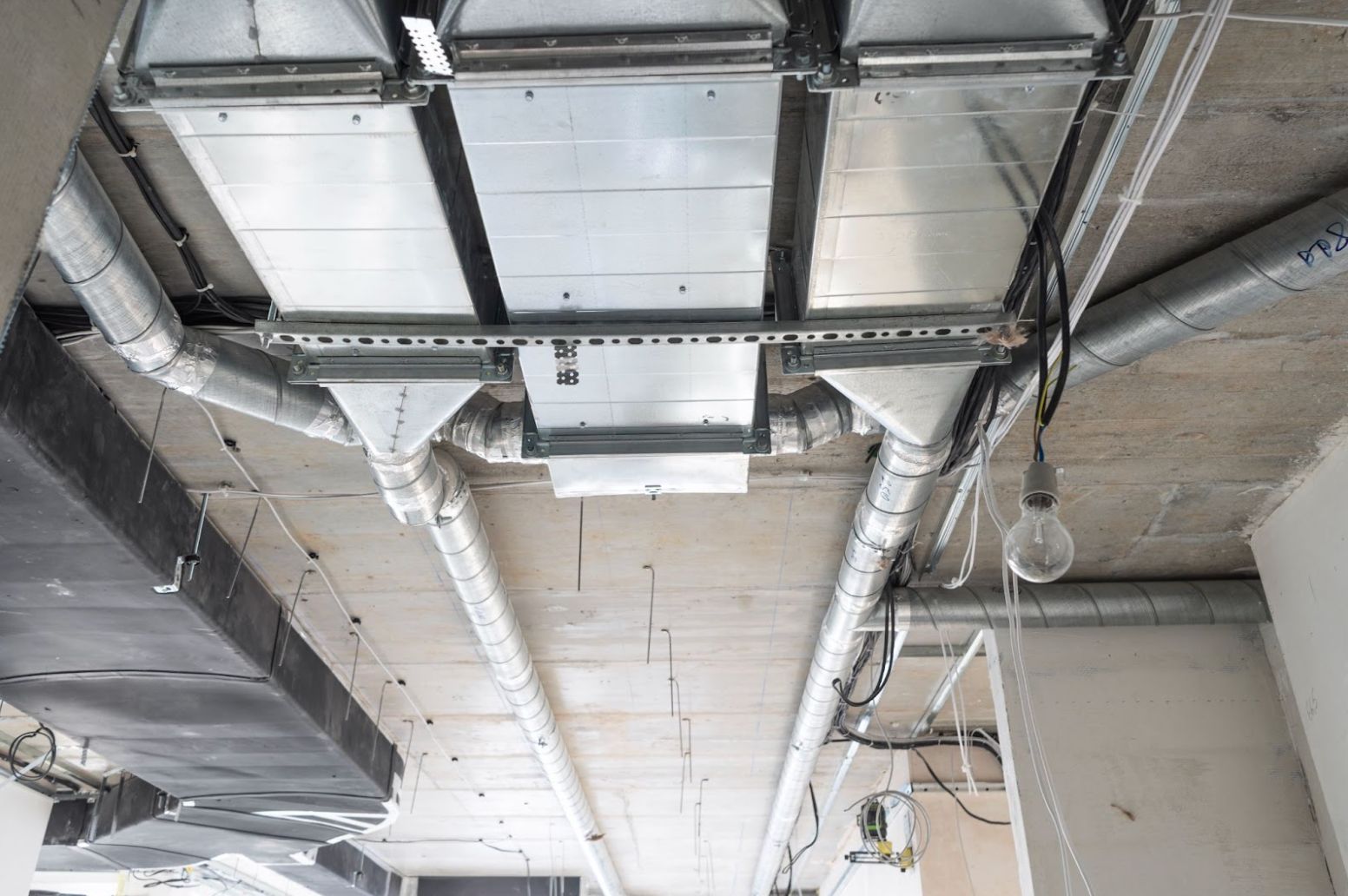
Preventive steps like air balancing, duct testing, and water balancing catch small issues before they escalate.
Air Balancing Before Peak Season: Proper air balancing ensures every zone gets exactly the airflow it needs. When your system is properly balanced, it doesn’t have to work as hard to maintain temperatures, even during peak demand.
We use calibrated instruments to measure airflow at every diffuser and return grille. Then we adjust dampers and fan speeds until the system delivers the right amount of air to each space. It sounds technical, but the result is simple: your system runs more efficiently and lasts longer.
Water System Balancing for Optimal Performance: If your building uses a hydronic system for heating and cooling, water balancing is critical. Unbalanced water flow creates hot and cold spots, forces equipment to work harder, and can lead to early component failure.
At Collège Lionel-Groulx, we handled both air and hydronic balancing for the Phase 1 expansion. The air system was particularly complex, but our balancing work ensured all 6 supply fans, 2 return fans, and 3 exhaust fans worked in unison without putting unnecessary strain on the system.
At the end of the day, true preventive maintenance is about precision, not just quick inspections. Every adjustment, measurement, and report is aimed at ensuring your HVAC system runs as designed. Done right, this approach doesn’t just solve problems. It prevents them.
Peak Summer Operation Strategies That Work
Once summer hits full force, your maintenance strategy needs to shift from prevention to optimization. Here’s how to keep things running smoothly when the pressure is on.
Monitor your system daily during heat waves: Check for unusual sounds, vibrations, or temperature variations between zones. Small changes often signal bigger problems developing. This doesn’t require an HVAC technician. A trained building engineer or maintenance person can spot developing problems before they become emergencies.
Schedule any necessary adjustments for off-hours: Summer is not the time for extensive maintenance work during business hours. Schedule any necessary adjustments, repairs, or component replacements for early morning, evening, or weekend hours.
Keep Spare Parts for Critical Components: When a key component fails during a heat wave, you don’t want to wait three days for parts. Keep backup belts, filters, fuses, and other wear items on site. The cost of inventory is nothing compared to the cost of system downtime during peak summer.
But even the best in-house monitoring and preparation has limits. When performance issues develop beyond basic maintenance or when you need precision diagnostics that require specialized equipment, that’s when professional intervention becomes essential.
When Professional Help Makes the Difference
Sometimes the best prevention strategy is knowing when to call in specialists. After working on landmark projects like the TNM’s historic renovation, we’ve learned that some issues require expertise and equipment that most in-house maintenance teams don’t have.
Complex system balancing, precision diagnostics with calibrated instruments, and emergency response during peak demand periods often need the kind of specialized experience that comes from working across multiple building types and system configurations.
That’s why having a relationship with qualified HVAC specialists before you need emergency service makes all the difference. When your system fails during a heat wave, you want to be calling someone who already knows your building and can respond quickly.
The Bottom Line on Summer HVAC Success
Breakdowns are not inevitable. They are preventable. By reading the signals, scheduling proper balancing and testing, and preparing systems for sustained cooling loads, commercial buildings can stay comfortable and efficient all summer long.
At SMP LeBlanc, we have seen it in every kind of building: colleges, senior residences, heritage theatres, and modern towers. The formula for success is always the same: anticipate the heat, prepare the system, and trust the details to the professionals who know where to look.
Contact us to discuss a preventive plan that keeps your tenants comfortable and your system reliable through summer’s peak and in every season that follows.