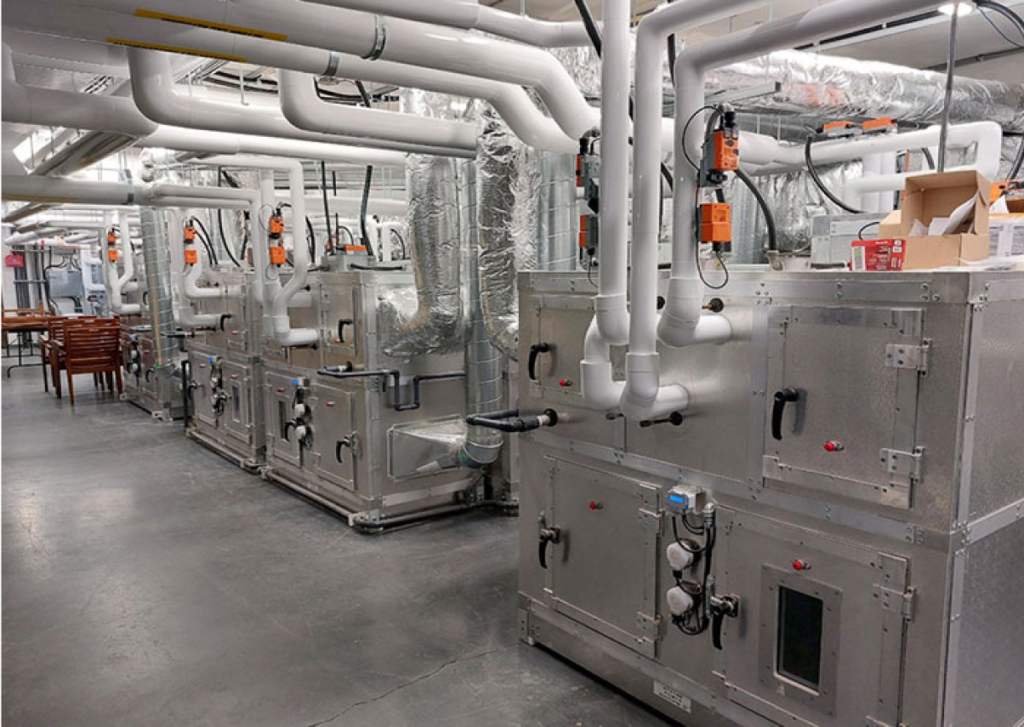
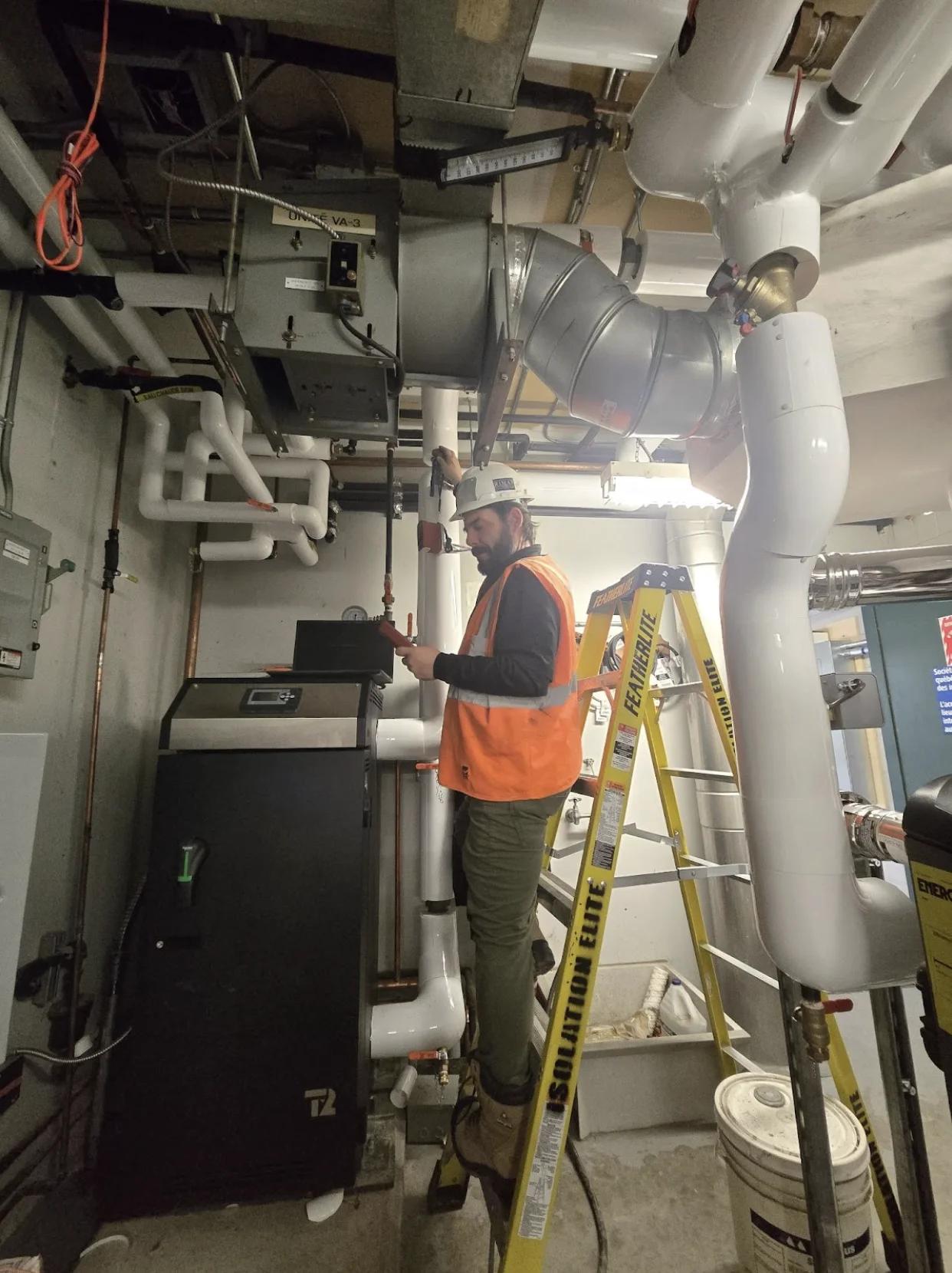
And here’s the thing. This usually isn’t about how much energy you’re using overall. It’s about when that energy is being used, and how hard your systems are being pushed during the coldest stretch of the year.
So let’s take a closer look at what’s actually driving those early-year spikes.
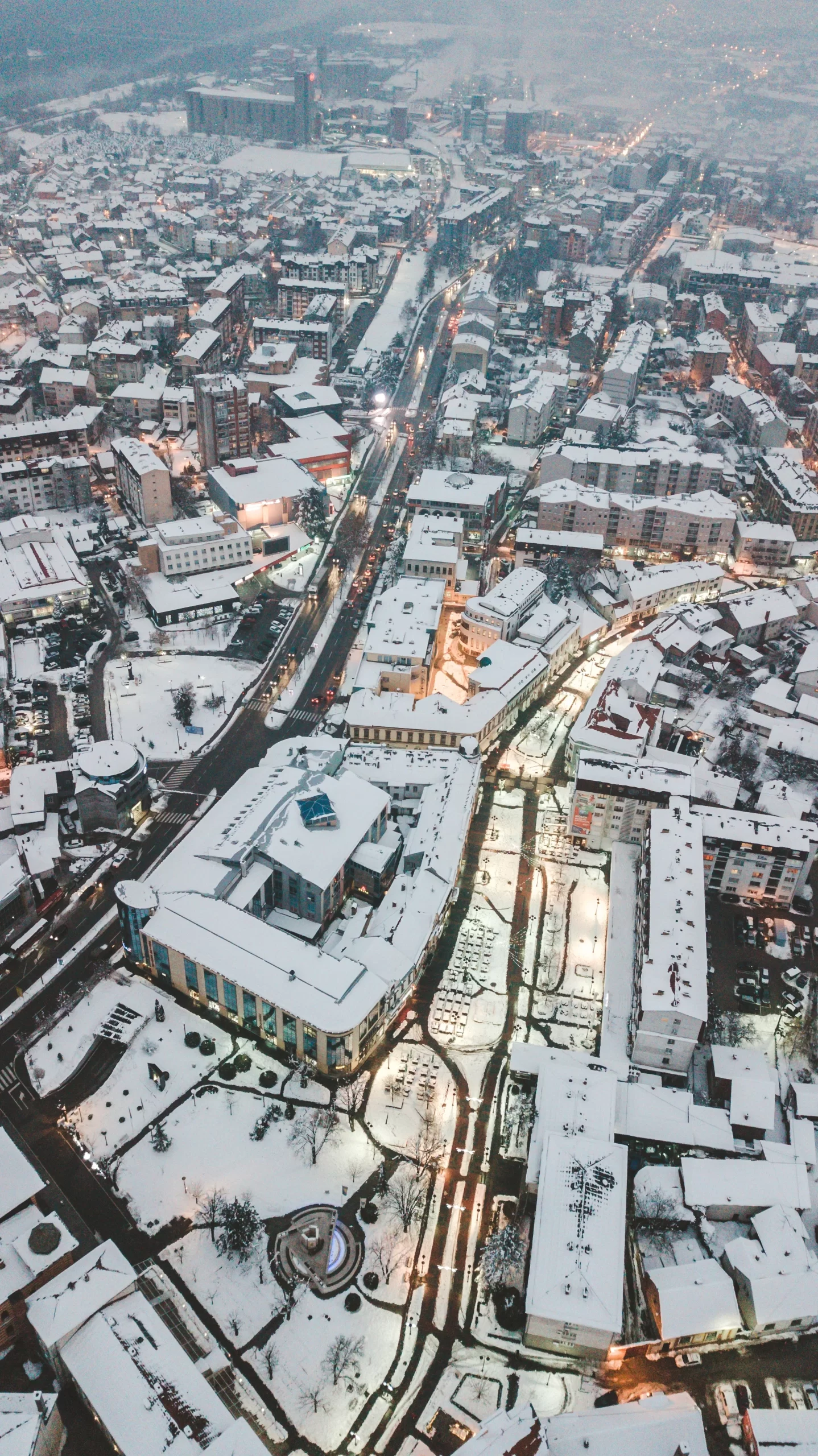
What Really Drives Winter Energy Spikes in Commercial Buildings
Most building owners assume their energy costs spike in the first quarter simply because the heat is running more. That’s partially true. But the bigger driver is something more specific, peak demand.
For most commercial buildings, Hydro-Québec demand charges are based on the single highest level of power your building draws during the billing period. In winter, those peaks tend to happen during weekday mornings and late afternoons, when heating systems are working hardest, and the grid is under the most pressure.
Your building automation system might be dialled in perfectly for mild weather. Prolonged cold changes the dynamic. When temperatures drop and don’t bounce back, schedules stretch, warm-up cycles get longer, and comfort complaints start surfacing. Setpoints get nudged upward. Temporary overrides stack up. Equipment spends more time running near full load than it does during the rest of the year.
That’s when demand starts to climb.
What often surprises building owners is how little it takes to trigger it. Even a brief spike, sometimes just a handful of high-load intervals during a cold morning or an extended warm-up, can set the demand level for the entire billing period. One tough start to the day is enough to shape the bill that follows.
This is usually where control issues start to creep in.
How Control Overrides Enter the System and Reshape Performance
We see this pattern constantly across the buildings we work in. A cold snap arrives. Temperatures drop below what the building’s control strategy was designed for. Someone overrides the system to get more heat flowing. The override works. The complaints stop.
And then the override stays.
Every winter has at least one week that tests everyone’s patience. A single zone starts calling in cold. Someone nudges a setpoint up a degree or two. A schedule gets extended just to get through the morning. A damper is locked open because it keeps hunting when temperatures drop overnight.
We get it. Comfort complaints can’t wait.
The problem isn’t the override itself. It’s that many of these changes never get revisited. As winter drags on, a building can be running with several layers of manual adjustments stacked on top of one another, each one made for a good reason at the time.
We often walk into buildings where the automation system looks fine on the surface, but the logic underneath no longer matches how the building actually behaves. Nothing about this feels dramatic day to day. But when cold weather lingers, those small decisions quietly push energy use higher and keep equipment working harder than necessary.
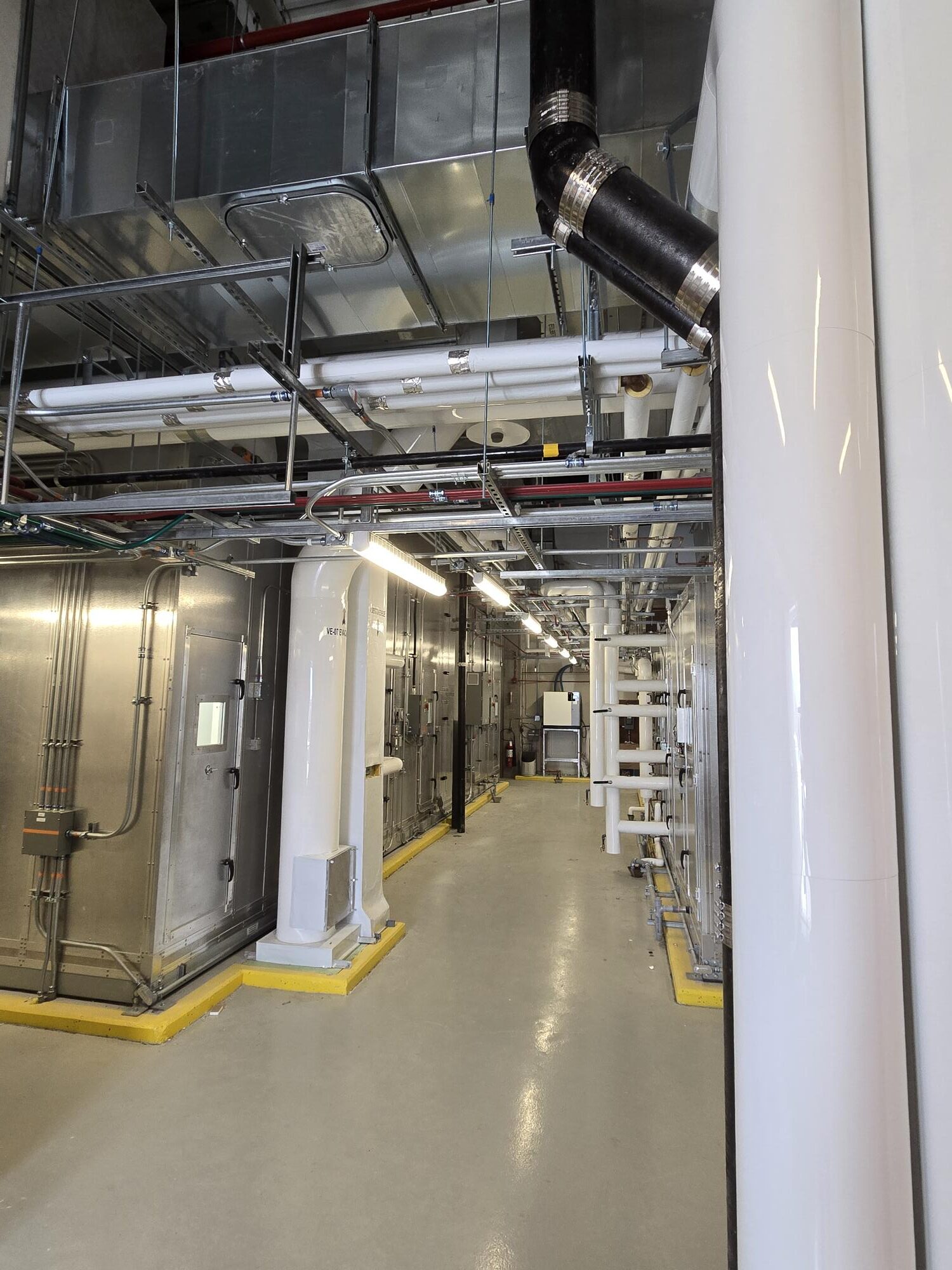
Zoning and Scheduling Still Work in Extreme Cold
There’s a common belief that zoning strategies and setback schedules don’t work when temperatures really drop. The idea is that your building needs all the heating capacity it can get, so why bother with efficiency strategies?
This assumption costs building owners money.
Proper zoning doesn’t mean turning off the heat to unoccupied spaces. It means directing energy where it’s actually needed, when it’s needed. A well-balanced system can deliver the same comfort with less strain on equipment because the air is actually going where it’s supposed to go.
Think about a building where the west wing runs too hot while the east wing stays cold. The natural response is to crank up the overall heating output. But the problem isn’t a lack of heat. The problem is distribution. One zone is getting too much airflow and another isn’t getting enough.
Air balancing solves this by verifying that each room and zone receives the airflow it was designed for. When the numbers match the design values, the building operates the way it was intended to. And that usually means better comfort with less energy, not more.
We’ve done this work across some of Québec’s most demanding buildings. At Théâtre du Nouveau Monde, our work focused on air balancing for newly built areas, where airflow needed to be precise and predictable. In performance spaces, even small imbalances create noticeable problems. Getting the airflow right meant the system could deliver consistent comfort without unnecessary strain.
At Maniwaki Seniors’ House, we performed both air balancing and duct leak testing. For a facility serving older residents, consistent temperatures and clean air matter enormously. Uneven heating isn’t just an inconvenience. It’s a health concern. Balancing the system meant residents experienced steady comfort throughout the building, and the mechanical equipment didn’t have to work overtime to compensate for inefficiencies.
Duct Leakage Is a Hidden Winter Cost
Duct system leakage doesn’t get talked about enough.
Field testing across commercial buildings has shown that duct leakage is common and often higher than building owners expect. In well-designed and well-sealed systems, losses can be kept relatively low. In older, modified, or poorly maintained systems, leakage can be significant enough to affect comfort and energy performance in a measurable way. The exact percentage matters less than the reality that some degree of leakage is almost always present.
This becomes especially expensive during the mid-January to February cold stretch.
During the coldest weeks of the year, heating systems are working near their limits. Every bit of air that leaks out of the ductwork represents energy that’s been paid for but never delivered. To maintain temperature, the rest of the system has to compensate, running longer, cycling harder, and pushing demand higher.
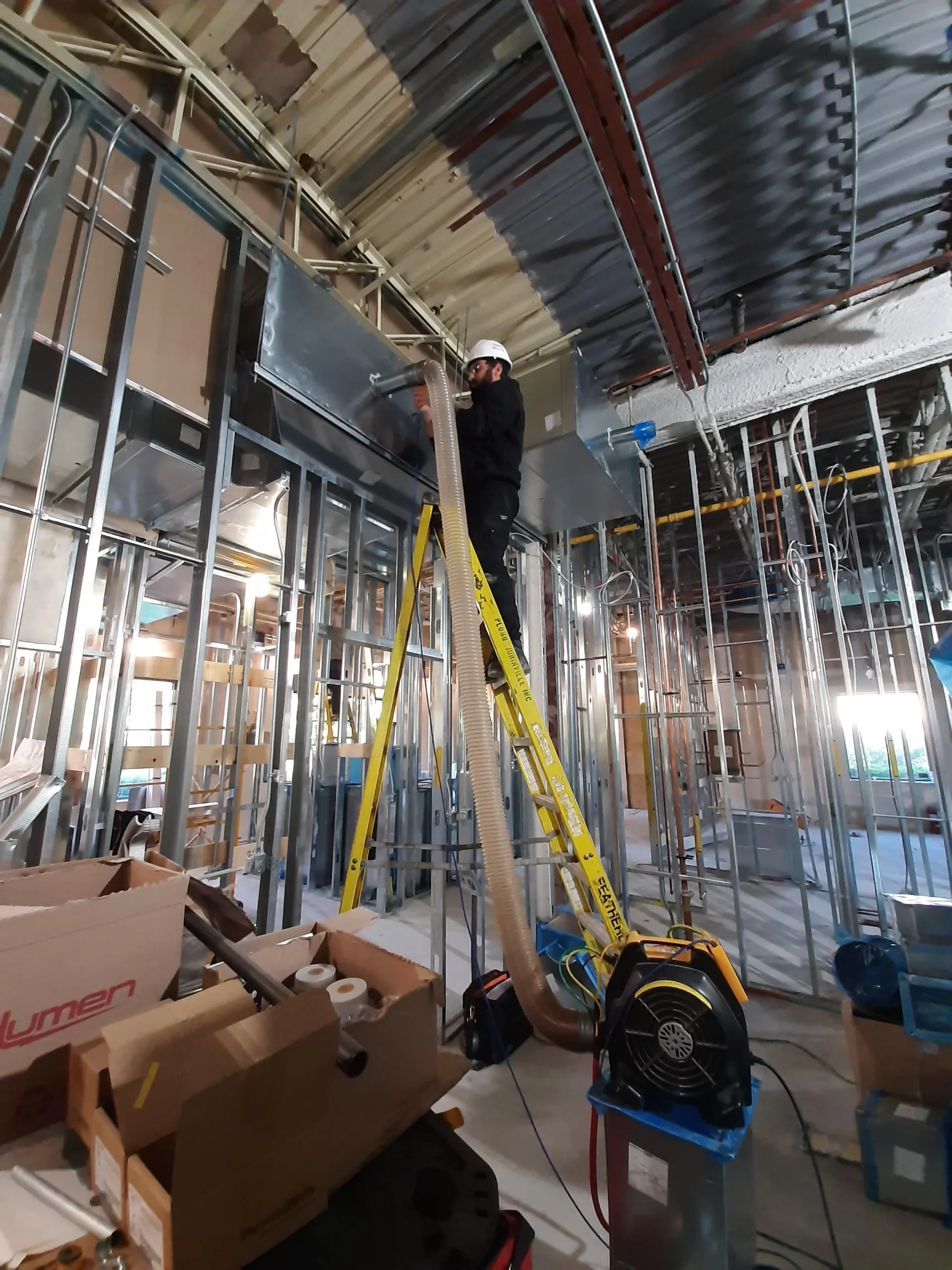
Duct testing helps bring this into focus. It allows you to verify whether the air you’re producing is actually staying inside the system long enough to do its job. When leaks are identified and corrected, airflow becomes more predictable, spaces heat more evenly, and equipment no longer has to make up for losses it was never designed to handle.
Water Balancing and the Heating Side of the Equation
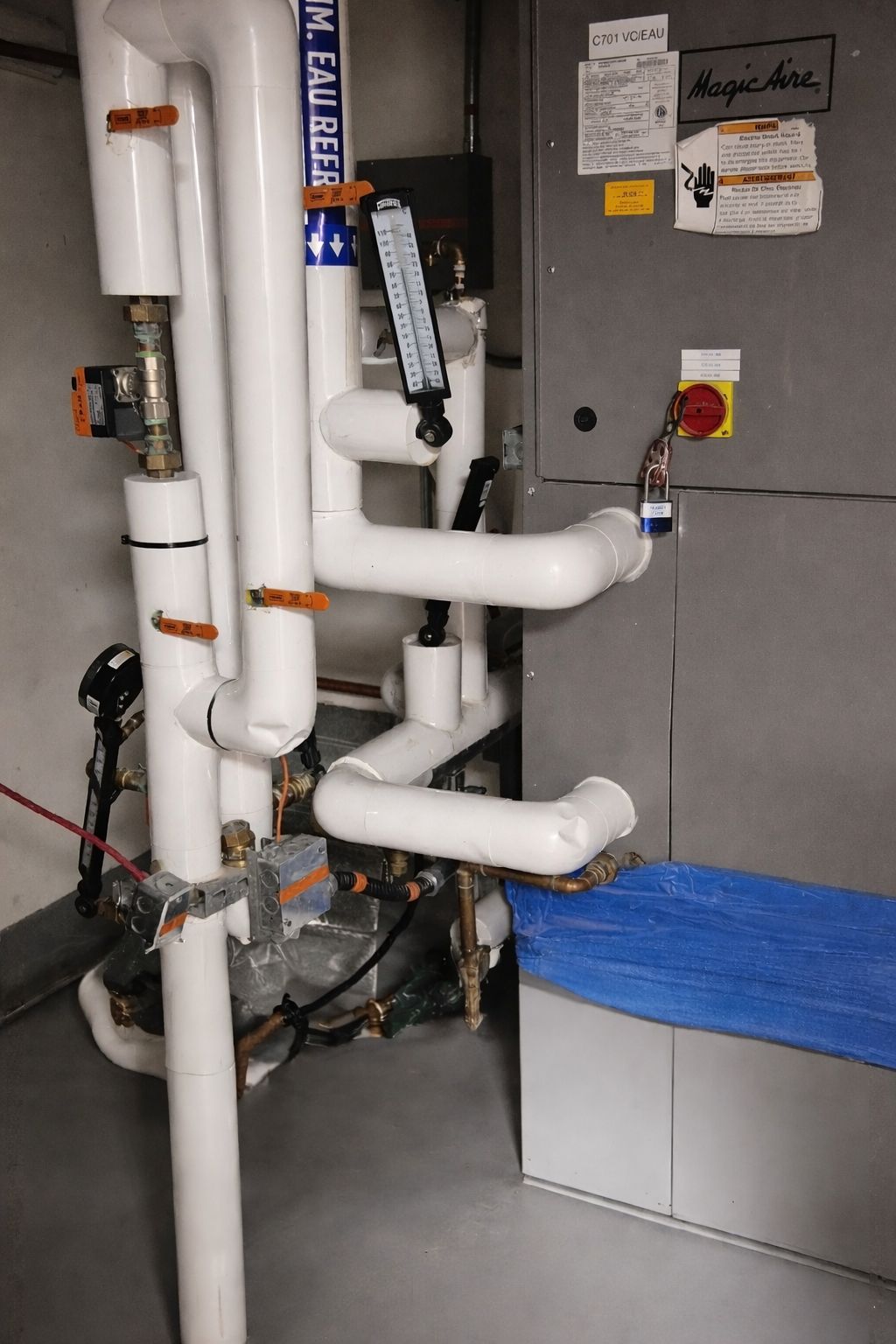
Air systems get most of the attention, but hydronic systems often carry the heating load in Québec’s commercial buildings. Hot water loops, chilled water loops, and the pumps that move them all need to be balanced just like air distribution systems.
At Le 900 Saint-Jacques, a commercial tower in downtown Montréal, our focus was entirely on the water side. Water balancing ensures that flow rates through heating and cooling coils match design specifications. When the flow is right, heat transfer happens efficiently. When it’s off, some zones get too much heat while others don’t get enough. Pumps run harder to compensate. Energy consumption rises without a corresponding increase in comfort.
Proper water balancing becomes especially important during the coldest part of winter, typically from mid-winter into February, because heating coils are working at or near their maximum capacity. Any inefficiency in the hydronic system gets magnified when loads stay high. A coil that’s slightly starved for flow in early winter can turn into a serious comfort problem later in the season.
Calibration Is Ongoing, Not One-Time
One of the biggest misconceptions about balancing and commissioning work is that it’s a one-time event. The building gets balanced when it’s new, and then you’re done.
That’s not how buildings actually work.
Buildings change over time. Tenants move. Occupancy patterns shift. Equipment ages. Dampers drift. Sensors lose calibration. A building that was perfectly balanced five years ago might be significantly out of spec today.
The worst time to discover this is during the mid-winter stretch, when systems are under their heaviest load. Every inefficiency is amplified, and there’s little room for error. That’s why periodic verification matters, checking that performance still matches design values, and addressing issues before they turn into added cost.
What You Can Do Before the Cold Stretch Hits
Here’s how you can prepare your HVAC systems to stay ahead of winter energy spikes:
Schedule a balancing assessment.
Find out whether your air and water systems are still delivering what they were designed to deliver. If the numbers have drifted, you can correct them before heating season begins.
Review your control overrides.
Walk through your building automation system and identify any manual overrides that are still active. Determine whether each one is still necessary or whether it’s a leftover from a problem that’s already been solved.
Test your duct integrity.
If you haven’t verified your duct system recently, this is the right time to do it. Knowing where leaks exist gives you the opportunity to address them before extended winter cold sets in.
Check your hydronic balance.
If your building uses hot water heating, make sure the flow rates through your heating coils are where they should be. An unbalanced water system will cost you money all winter long.
The Coldest Weeks Are Still Ahead
Winter in Québec will always demand more from buildings. That part is unavoidable.
What is avoidable is letting small inefficiencies stack up until winter magnifies them. Energy spikes are rarely caused by a single failure. They come from drift, overrides, and imbalances that go unnoticed during milder months. Getting ahead of that means paying attention before problems show up on the bill.
If you’re unsure how your building is really performing, that’s where an experienced testing and balancing partner can help. At SMP LeBlanc, this is exactly the kind of work we support for building owners and mechanical teams across Québec. A conversation early on can often prevent much bigger issues later in the season. Reach out today.