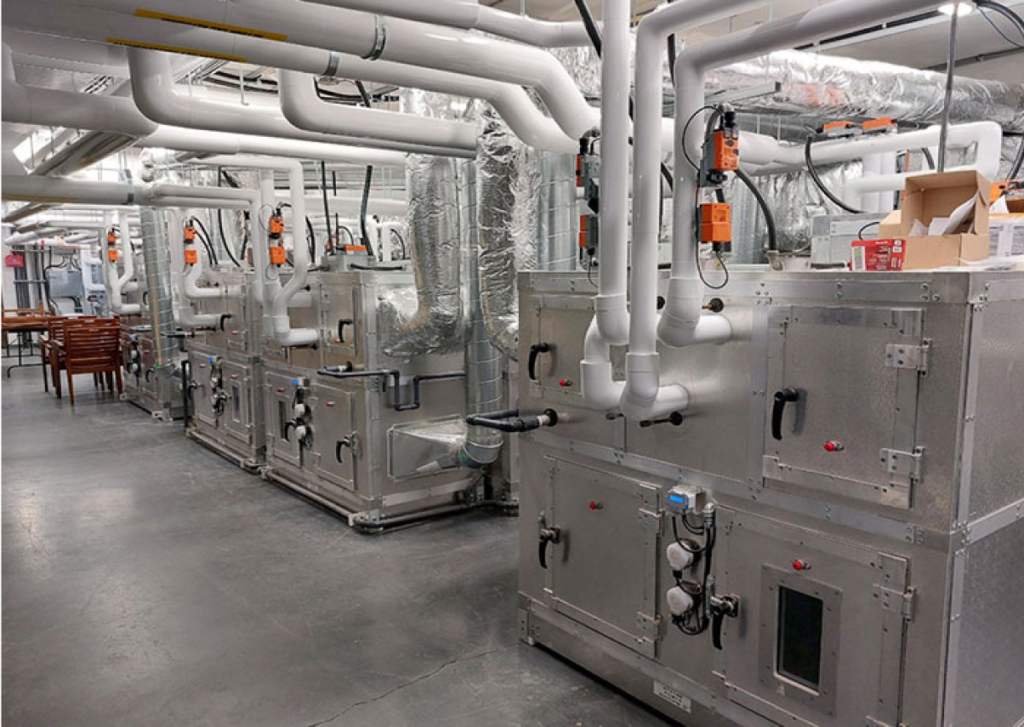
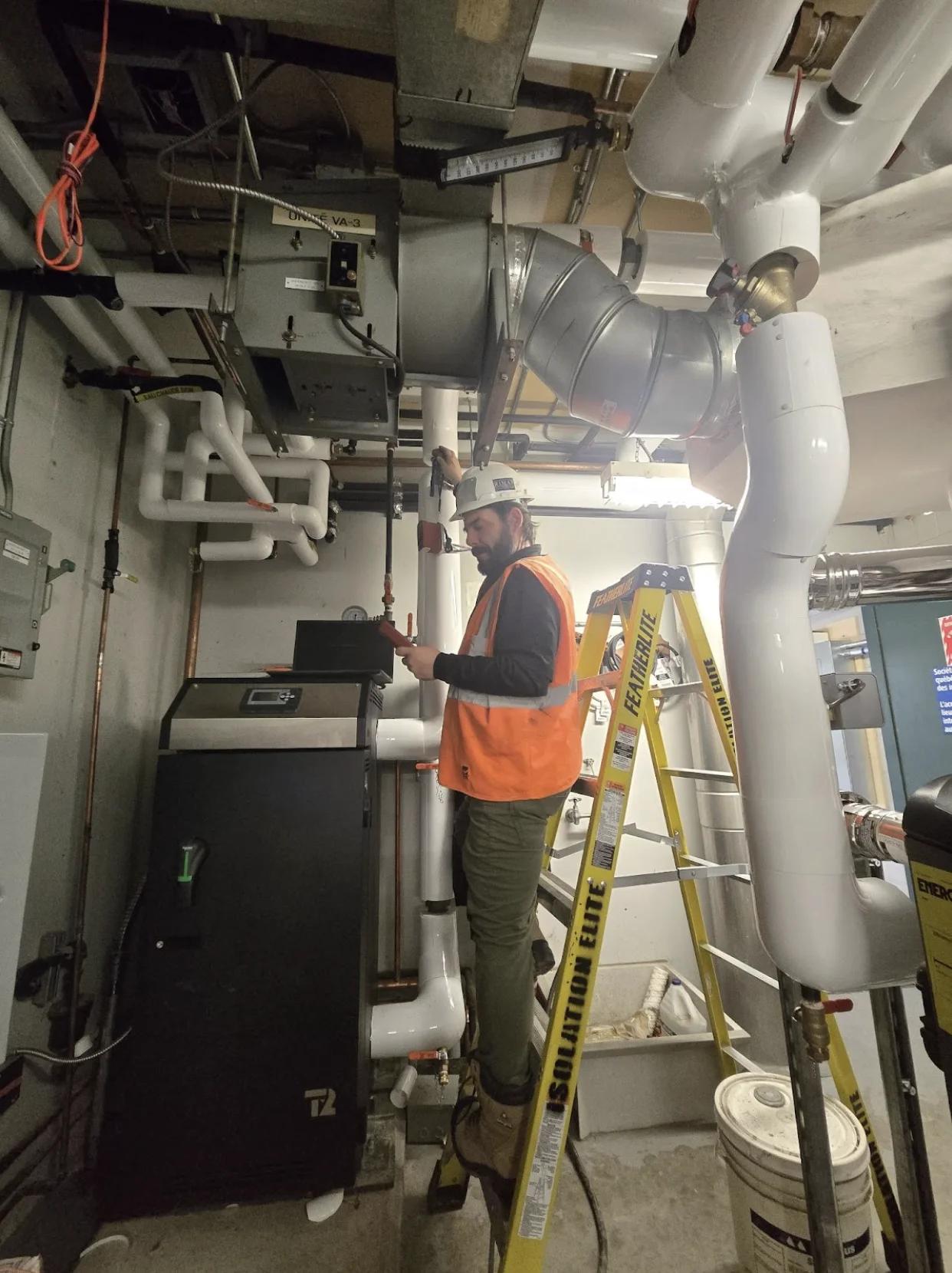
To wrap up the year, our team at SMP LeBlanc had the opportunity to work on one of those behind-the-scenes projects at Parc Olympique, as part of the renovation of the tourist spaces inside the Montréal Tower.
Working alongside Le Groupe Centco Inc., our role on this project focused on three core scopes of work: duct leakage testing, air balancing, and water balancing. Each task was carried out to confirm that the installed systems were performing in line with their design and construction requirements.
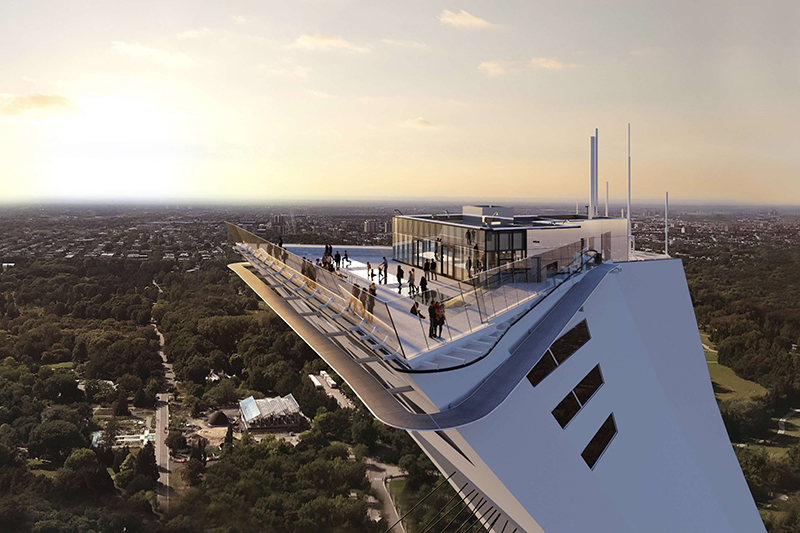 Photo credits: Parc olympique de Montréal
Why HVAC Balancing Matters More Than Most People Realize
In large, complex buildings, HVAC systems do not simply work because equipment is installed. They work because every component is checked, measured, and adjusted so the system behaves as a whole.
Air balancing ensures that each room and zone receives the airflow it was designed for. Not too much, not too little. Water balancing does the same for hydronic systems, making sure heating and cooling water is distributed evenly and efficiently. Duct leakage testing confirms that the air moving through the system actually reaches its destination instead of escaping into ceiling voids or service spaces.
When these steps are skipped or rushed, the consequences show up later. Comfort complaints increase. Energy use climbs. Equipment works harder than it should. Over time, small issues quietly turn into expensive ones.
At a site as visible and heavily used as Montréal’s Olympic Park, those risks are simply not acceptable
Duct Leakage Testing Inside the Montréal Tower
One of the core parts of our work on this project was duct leakage testing. This process verifies the integrity of the duct network by measuring how much air is lost through joints, seams, and connections under controlled pressure conditions.
The duct systems within the Montréal Tower renovation were designed and installed to meet defined performance standards. Our role was to verify that the installed ducts met those requirements before the ductwork was insulated or concealed.
That meant preparing test sections, confirming access to all required points, and carrying out leakage testing in accordance with recognized industry standards. Each section was tested methodically, with results documented as part of the project record.
For this project, the specifications followed SMACNA standards, which serve as a benchmark across the HVAC industry. These standards define acceptable leakage limits based on duct type and system pressure. Rectangular ducts were required to meet Leakage Class 12 for systems operating under 1000 Pa and Leakage Class 6 for higher pressure systems. Round and oval ducts were held to even tighter limits, with Leakage Class 6 and Leakage Class 3 requirements respectively.
Welded duct sections were subject to the strictest requirement of all, with no leakage permitted.
The testing itself was equally rigorous. Measurement instruments were required to maintain an accuracy within plus or minus three percent, supported by current calibration certificates. Each test section had to be at least 30 meters in length and include a minimum of three branches and two 90-degree elbows. This approach ensured that testing reflected real system conditions rather than isolated spot checks, covering all supply and exhaust ductwork serving the renovated areas.
Air Balancing, Making Sure Every Space Gets What It Needs
Air balancing is the step where design intent is compared against installed system conditions. Mechanical HVAC plans specified target airflow values for each zone, but those values needed to be verified and adjusted once the systems were operating.
On this project, air balancing involved measuring airflow at diffusers and grilles throughout the renovated areas and adjusting dampers so each zone aligned with its design intent. The objective was not simply to move air, but to distribute it evenly and predictably across the space.
In public-facing environments, consistent airflow distribution plays an important role in how spaces function day to day. Balancing helps confirm that air is delivered as intended, supporting stable system behavior across different zones within the building.
Water Balancing, The Other Half of the Equation
In parallel with air system verification, our team also carried out water balancing work. Hydronic systems rely on proper flow distribution to allow heating and cooling equipment to operate within its design parameters.
Water balancing involves measuring and adjusting flow rates so that coils and terminal units receive the flows specified in the design. When flows are uneven, some zones can struggle to maintain temperature while others experience excess flow, which can affect overall system efficiency and equipment operation.
On this project, water balancing was performed to verify flow distribution within the hydronic systems serving the renovated areas, supporting alignment with the system’s design requirements.
Working Inside an Active, High-Profile Site
Projects at iconic sites come with their own set of challenges. Access is controlled, documentation matters, and work often happens without the ability to photograph or publicly showcase what is being done.
In this case, that was part of the job. Our work had to speak for itself through performance, testing results, and coordination with the project team. What we could take away, though, was a reminder of how much unseen effort goes into keeping landmark buildings operating smoothly.
Sometimes the only visible reward is the view. And in this case, looking out over Montréal from inside the Tower was a quiet reminder of where that work was taking place.
A Year of Meaningful Projects Across Quebec
This project was also a fitting way to close out a busy year. In 2025 alone, we’ve had the privilege of working on the Maniwaki Seniors’ House,, where comfort and air quality directly impact residents’ daily well-being. We completed work at Collège Lionel-Groulx, contributing to the learning environment for thousands of students.
And speaking of learning institutions, we’ve been busy across the greater Montreal area with projects at École Sir Wilfrid-Laurier in St-Lin-des-Laurentides, École Alpha in Rosemère, and École de l’Envolée in Blainville.
Each of these projects reinforced something we already knew: when mechanical contractors across Quebec need reliable air balancing, water balancing, and duct testing, they call us. That trust isn’t something we take for granted.
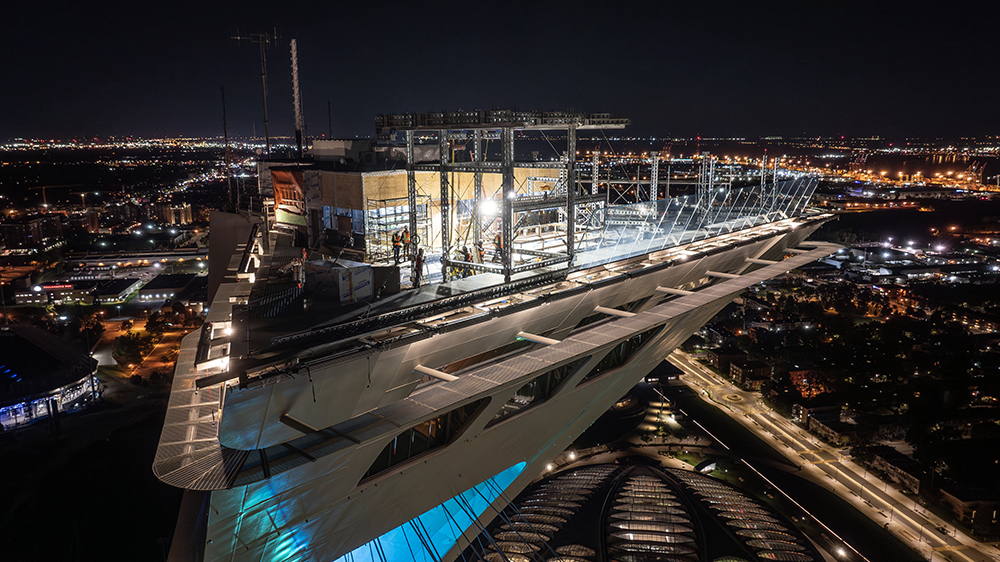
Photo credits: Parc olympique de Montréal
Looking Ahead
As we head into 2026, we’re carrying the momentum of a year filled with meaningful projects. Schools, healthcare facilities, cultural landmarks, and commercial buildings across Quebec have all benefited from our expertise in air balancing, water balancing, and duct integrity testing.
As the year comes to a close, we’re also looking ahead. Several projects are already lined up for the months to come, and we’re looking forward to sharing more of that work in the new year.
Here’s to another year of helping Quebec’s buildings operate efficiently, reliably, and as intended.